

Stream Companies

5 Tips For Increasing Your Breast Milk Supply
Posted onHow To Increase Your Milk Supply One of the most common questions that new mothers have is whether or not their baby is getting enough breast milk when they feed. It can be difficult to tell exactly how much milk your child is getting when they breastfeed. Many mothers try to increase their breast milk […]
Read more
6 Tips For Having A Healthy Pregnancy After The Age Of 35
Posted onCountless women welcome healthy children in their thirties and forties, but the fact of the matter is that there are some additional risks associated with having a baby after the age of 35. Statistics show that more women are waiting to have children later in life than ever before. Be it for personal or professional […]
Read more
What Can Be Diagnosed With A Hysteroscopy?
Posted onA hysteroscopy is a medical procedure that is used to examine the inside of the uterus to look for abnormalities or other potential issues. The procedure involves inserting a hysteroscope into the uterus through your vagina and cervix, meaning it is an incisionless procedure. The hysteroscope is equipped with a narrow light and camera that […]
Read more
Cell Free Fetal DNA Testing Recommendations
Posted onIn this article, we discuss some of the ACOG recommendations for cell free fetal DNA testing during pregnancy. The American College of Obstetrics and Gynecology governing body (ACOG) recommends the following on the appropriate use of cell free fetal DNA testing: Given the performance of conventional screening methods, the limitations of cell-free DNA screening performance, […]
Read more
Understanding Cell Free Fetal DNA Testing
Posted onCurrent methods of fetal diagnostic testing involve obtaining samples of amniotic fluid (amniocentesis), placenta (chorionic villus sampling) or fetal blood or tissues. However, fetal blood or tissue is rarely used as it puts the fetus at risk of injury. Due to this risk, development of rapid, safe, effective and non-invasive prenatal tests have been an […]
Read more
How we Improve the C-Section Experience
Posted onA C-section can be a daunting experience, but we strive to make it as comforting as possible. In this article, we’ll discuss some of the improvements we’ve made to the C-section experience. A Clear Drape Instead of a Blue Drape We can use a clear drape so that everyone at the head of the bed […]
Read more
What Happens During a Cesarean Section?
Posted onFor those who have had cesarean sections, the experience can feel disconnected. Or in other words, a little surgical. Let’s look at an example of a specific C-section that many who have been through a C-section may relate to: “When the decision was made to have a cesarean section, I was wheeled into the operating […]
Read more
The Causes & Stages of Endometriosis
Posted onWhat Causes Endometriosis? It’s estimated that up to 10 percent of women in the United States have endometriosis. This disease usually causes pelvic pain, discomfort, fertility issues, and more. In this article, we’ll discuss some of the causes and stages of endometriosis. Although the research is still in progress, there are a few factors that […]
Read more
Stress Incontinence vs. Urge Incontinence: What’s the Difference?
Posted onThe two most common types of urinary incontinence are stress incontinence and urge incontinence. Let’s discuss each in more detail and what makes them different from one another. What is Stress Incontinence? Stress Urinary Incontinence (SUI) is caused by leakage of urine during physical activities. Once an increase in abdominal pressure occurs within the bladder, […]
Read more
3 Common Urinary Incontinence Risk Factors
Posted onIt’s important to discuss the risk of having urinary incontinence with your OBGYN. There are some factors that cause some women to experience UI more than others, including genetics, health conditions, and life events. Genetics Genetics sometimes come into play if you are born with a weaker pelvic floor or certain health conditions. Those who […]
Read more
The Importance of an Annual OBGYN Exam
Posted onPreventive medicine and early detection are important in treating most medical conditions. As such, regular checkups are important to maintaining your health. At each office visit, we review your medical history, family history, perform relevant physical exams, and order pertinent tests to help us understand your current state of health and wellness. Depending on your […]
Read more
Prevention of Osteoporosis and Vitamin D Deficiency
Posted onOsteoporosis is a disorder of the bone that makes it more likely to break. Osteoporosis prevention should start when women are young and continue throughout their lifetime. Of course, calcium and vitamin D is better if it comes from your diet, but if this is not possible, then a supplement would be recommended. How Vitamin […]
Read more
What to Do if You’re Exercising But Not Losing Weight
Posted onWe all work hard to stay healthy. Eating right. Exercising. But for some of us, losing weight seems impossible. We’ve been taught to exercise regularly and that we will automatically lose weight. But it’s not as easy as that. Compared to men, women have less lean muscle mass and therefore we burn less calories than […]
Read more
What to Know About Pelvic Organ Prolapse
Posted onPelvic organ prolapse (POP) is a common problem for women. Almost half of all women who have had babies will have some POP but not all have symptoms. About one third of ALL women will have some symptoms of POP. Risks for POP are genetic, having many pregnancies, being menopausal, increasing age and conditions that […]
Read more
What to Know About Pap Smear Tests
Posted onA “pap smear” is a test that a doctor performs by brushing cells off the cervix and sending them to a pathologist for evaluation. The cells are evaluated for abnormalities that could lead to cervical cancer. Pap smears only check for cervical cancer and don’t evaluate for vaginal, ovarian or uterine problems. Since the advent […]
Read more
Screening & Testing Recommendations for 4 Types of Cancer
Posted onScreening tests are a vital part of your healthcare, specifically cancer screening tests are important to catch precancerous changes or cancer in its early stages. While continuously changing, we follow guidelines from The American Cancer Society and The American College of OB/GYN. We keep up-to-date with the current recommendations and tailor these to our specific […]
Read more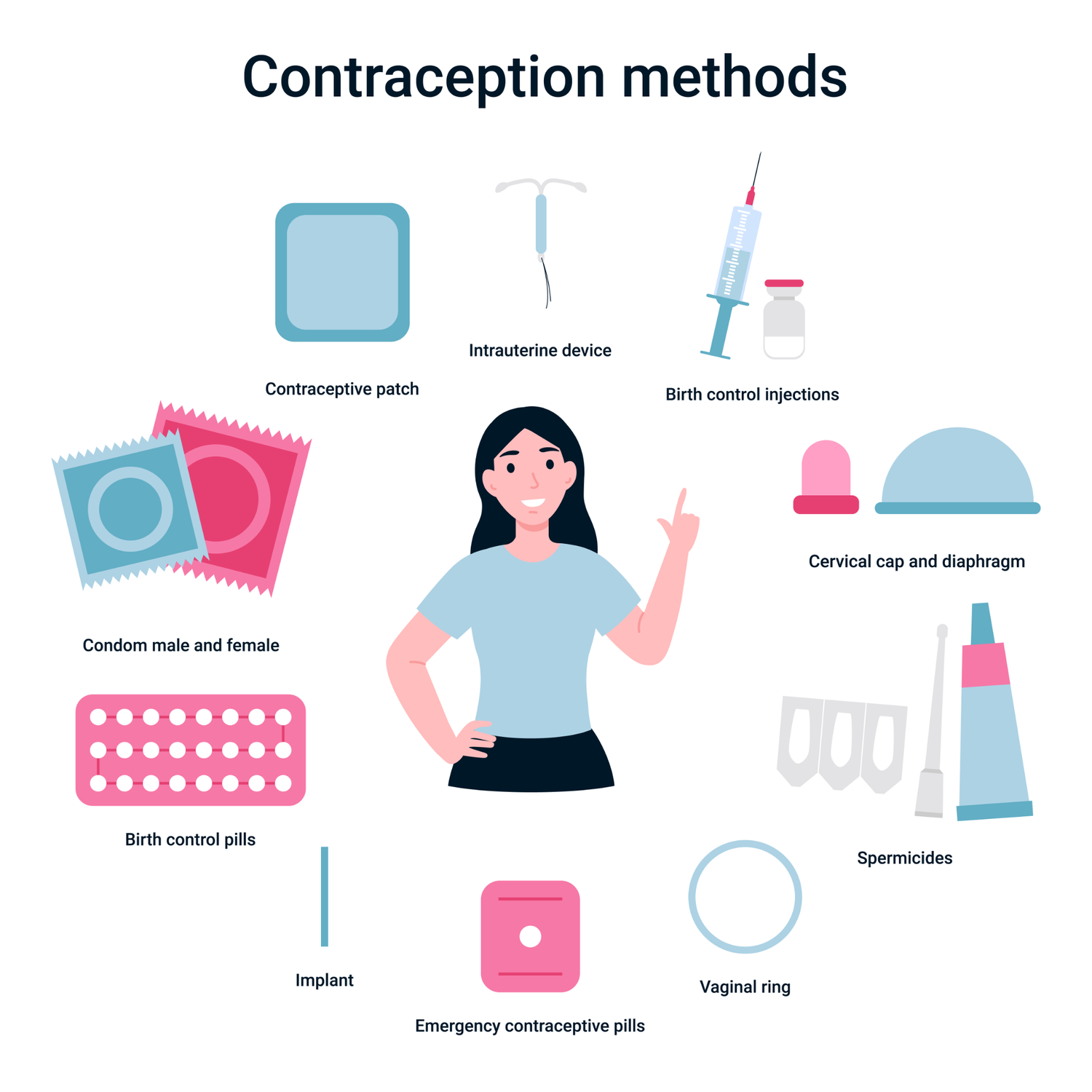
Birth Control – How to Choose the Best Option for Your Situation
Posted onLooking for safe, effective contraceptive and family planning methods? You’re in the right place. MetroPartners OBGYN provides a full range of birth control options and can help you choose the method that is right for you. Barrier Methods These include condoms, cervical caps and diaphragms. Combined Hormonal Birth Control A very common and effective birth control you […]
Read more
Fertility: Preparing for Your Doctor Visit
Posted onThere are things you can do to help prepare for your fertility visit and speed up the initial workup. Begin Taking a Prenatal Vitamin it is important to begin a prenatal vitamin a few months before you become pregnant. Also bring a list of medications and vitamins you take daily. Track Your Cycle The first […]
Read more
HPV – Causes, Tests & Prevention
Posted onHPV is a virus that has over 100 strains. Some are more dangerous than others – they are broken down into low-risk and high-risk infections. Approximately 12 types of HPV cause genital warts. These growths may appear on the outside or inside of the vagina or on the penis and can spread to nearby skin. […]
Read more
Fertility Evaluation & Treatment – What You Need to Know
Posted onIn general, we begin evaluating a couple for infertility treatment and testing if you have not conceived after one year of frequent, unprotected intercourse. You may think about being seen sooner for family planning if: You are 35 or older and have not gotten pregnant after 6 months of frequent unprotected intercourse You are 40 […]
Read more
Is it Safe to Get a Flu Shot While Pregnant?
Posted onIdeally, all women who are pregnant, might be pregnant, or are breastfeeding during flu season should receive the inactivated flu vaccine, regardless of their stage of pregnancy. The flu shot is an essential part of prenatal care because pregnant women are at an increased risk of serious illness and even mortality due to influenza. The […]
Read more
Infertility Causes & Risk Factors
Posted onIn this article we are going to talk about some of the causes and risk factors associated with infertility. Possible Causes of Infertility There are many reasons a couple may have difficulty getting pregnant. Female reasons can include problems with ovulation, the reproductive organs, or hormones. Male reasons are frequently related to the health and […]
Read more
3 Fertility Treatment Options
Posted onIf you have been trying to get pregnant without success – you are not alone. Ten to fifteen percent of couples have difficulty conceiving. Here are a few treatment options for infertility. Infertility is defined as not being able to get pregnant despite having frequent unprotected intercourse for one year. There are many reasons why […]
Read more
STDs: Testing, Prevention & Treatment
Posted onSTDs include chlamydia, gonorrhea, genital herpes, human papillomavirus (HPV), syphilis, HIV as well as others. This article offers information on testing, preventing, and treatment of STDs. Almost half of new infections occur in young people ages 15 to 24. Even if you don’t have symptoms, you could have an infection and pass it along to […]
Read more